
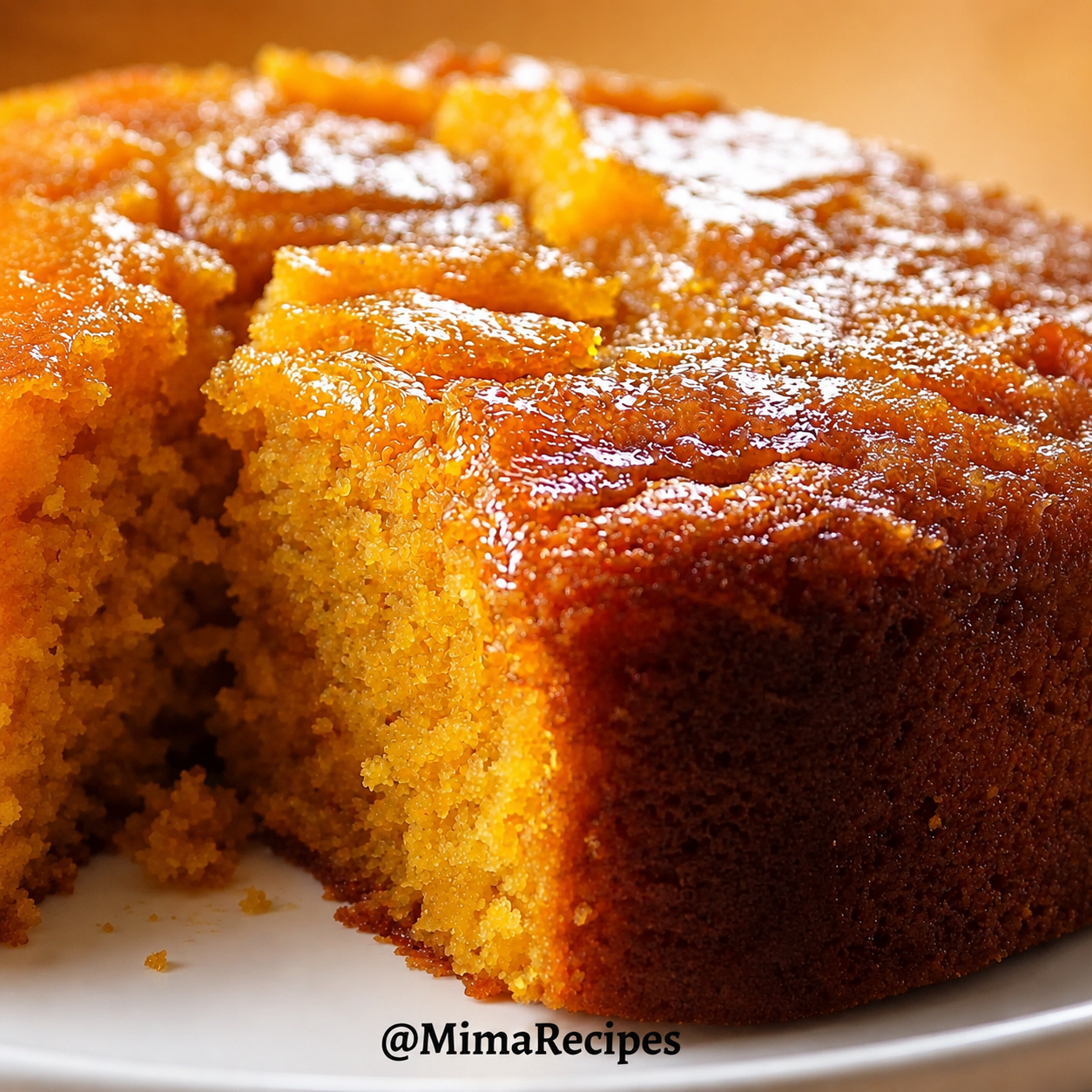
There’s something magical about a cake that instantly feels like home, and Grandma’s Famous Sweet Potato Butter Cake does exactly that. From the moment it comes out of the oven, your kitchen fills with the irresistible aroma of warm butter, roasted sweet potatoes, vanilla, and cozy spices. Its beautifully golden crust gives way to an incredibly moist, velvety crumb that practically melts in your mouth, while every bite delivers a rich, buttery sweetness balanced by the earthy flavor of sweet potatoes.
This is the kind of cake that has earned its place at countless family gatherings, Sunday dinners, holiday tables, and neighborhood potlucks. It feels elegant enough for Thanksgiving and Christmas, yet simple enough to enjoy with a hot cup of coffee on an ordinary afternoon.
What makes this recipe truly unforgettable is its incredible texture. Thanks to naturally creamy mashed sweet potatoes and plenty of real butter, every slice stays tender and moist for days without becoming heavy. The subtle spices complement the sweet potato instead of overpowering it, allowing its natural sweetness to shine.
Whether you’re baking for a celebration or simply craving an old-fashioned Southern dessert that never disappoints, this recipe delivers every single time. Keep reading to discover all the little techniques that transform simple pantry ingredients into one unforgettable homemade cake.
Why You’ll Love This Recipe
Once you bake this sweet potato butter cake, you’ll understand why it has become a treasured family favorite for generations.
- Exceptionally moist texture. The mashed sweet potatoes lock in moisture, creating a soft, tender crumb that stays fresh for several days.
- Rich buttery flavor. Real butter gives every bite an indulgent richness that perfectly complements the sweet potatoes.
- Perfectly balanced sweetness. It tastes sweet without being overly sugary, making it ideal for breakfast, dessert, or an afternoon snack.
- Easy pantry ingredients. Most of the ingredients are common baking staples you probably already have at home.
- Perfect for holidays. Thanksgiving, Christmas, Easter, birthdays, or Sunday family dinners all become more memorable with this cake on the table.
- Beautiful presentation. Its golden exterior, soft interior, and optional glaze make it look bakery-worthy with very little effort.
- Freezer-friendly. Bake it ahead of time and enjoy fresh-tasting slices whenever you need a quick dessert.
- Easy to customize. Add pecans, cinnamon, orange zest, maple glaze, or cream cheese frosting to make it your own.
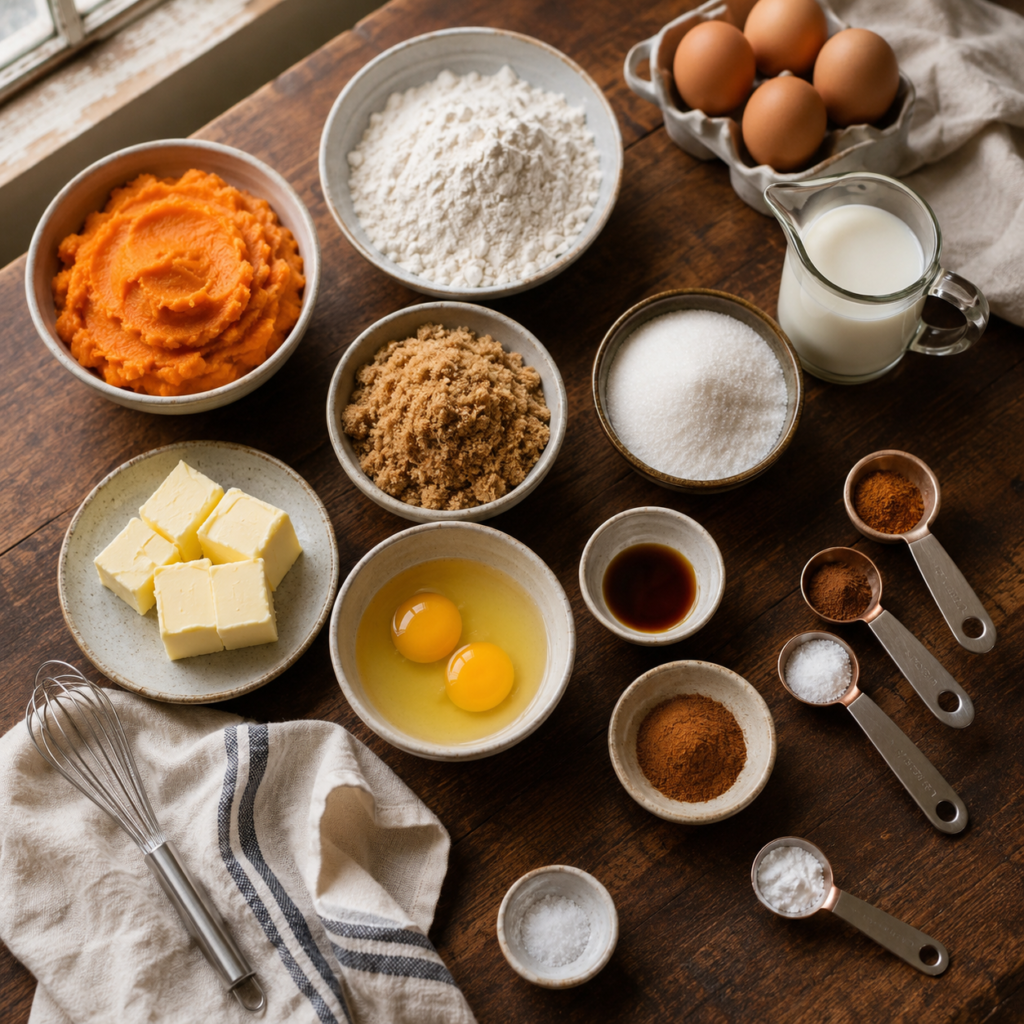
Ingredient
Every ingredient has an important job in creating this incredibly flavorful cake.
Sweet Potatoes
Roasted sweet potatoes are the heart of the recipe. Roasting concentrates their natural sweetness while creating an extra creamy texture.
Substitution: Canned sweet potato puree may be used, but homemade roasted sweet potatoes provide the richest flavor.
Unsalted Butter
Butter gives the cake its signature richness while helping create a soft crumb.
Substitution: Salted butter works if you reduce the added salt slightly.
Granulated Sugar
Sugar sweetens the cake while helping create its lightly crisp golden crust.
Brown Sugar
Brown sugar adds moisture along with subtle caramel notes that pair beautifully with sweet potatoes.
Eggs
Eggs provide structure while keeping the cake rich and tender.
All-Purpose Flour
Flour forms the framework of the cake while maintaining a delicate crumb.
Baking Powder
Provides lift so the cake bakes tall and fluffy.
Salt
Balances the sweetness and enhances every flavor.
Ground Cinnamon
Adds warmth without overpowering the sweet potatoes.
Nutmeg
Just a touch creates classic Southern flavor.
Vanilla Extract
Rounds out the buttery sweetness with warm, aromatic notes.
Whole Milk
Adds moisture and helps create a silky batter.
Substitution: Buttermilk produces an even richer flavor.
Kitchen Equipment
You’ll need:
- Stand mixer or hand mixer
- Large mixing bowl
- Medium bowl
- Measuring cups
- Measuring spoons
- Rubber spatula
- Wire whisk
- 10-inch Bundt pan or tube pan
- Cooling rack
- Toothpick or cake tester
For a complete breakfast, pair them with our Cottage Cheese Pancakes or Greek Yogurt Bagel Bites. For dessert, try our Sponge Cake Recipe or Easy Jam Doughnuts Classic Berliner Recipe.
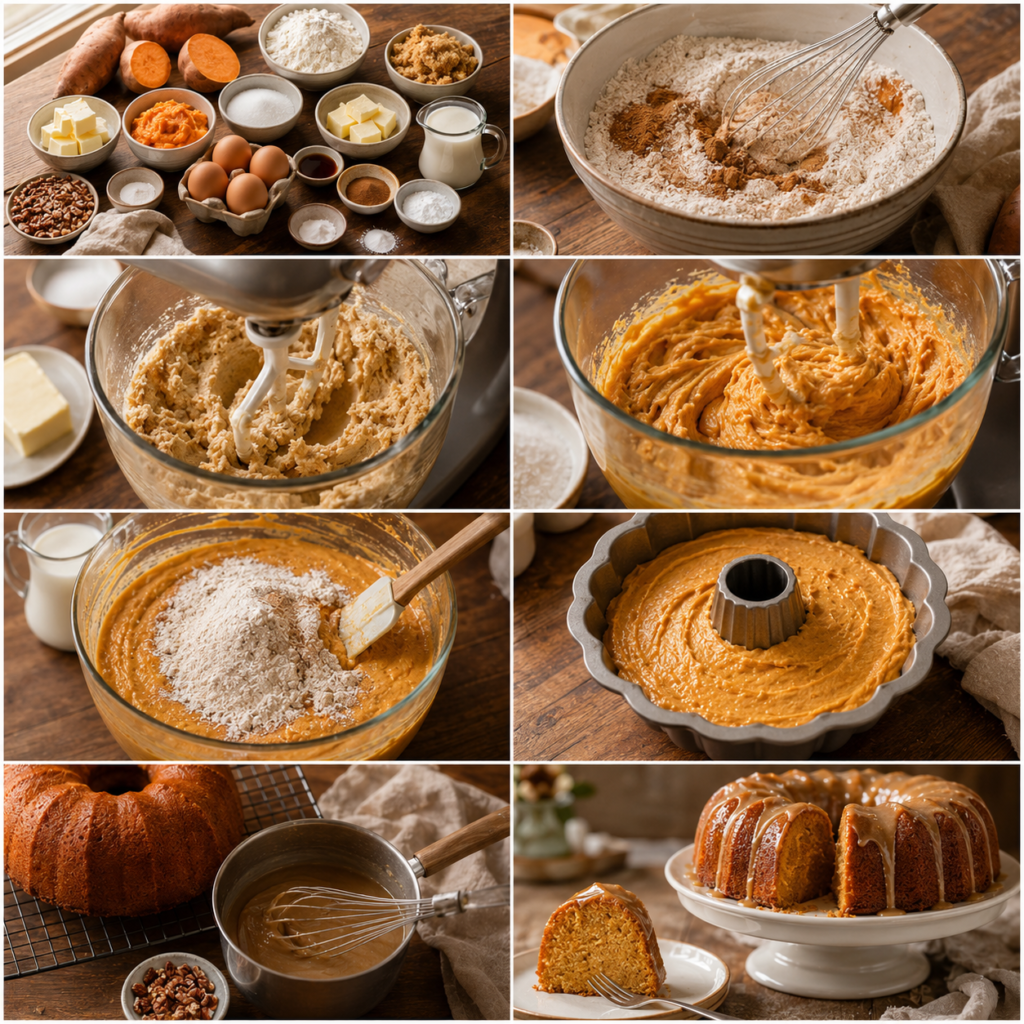
Step-by-Step Instructions
Step 1: Prepare the Sweet Potatoes
Roast the sweet potatoes until they’re completely tender. Once cooled, peel and mash until perfectly smooth.
They should be silky with no visible lumps.
Avoid watery mashed potatoes, as excess moisture can make the cake dense.
Move to the next step once the puree is smooth and creamy.
Step 2: Prepare the Pan
Generously grease and flour your Bundt pan.
Every groove should be coated to ensure the cake releases cleanly.
Missing even one spot may cause sticking.
Step 3: Cream Butter and Sugars
Beat the butter, granulated sugar, and brown sugar together for 4–5 minutes.
The mixture should become pale, fluffy, and noticeably lighter in texture.
This step incorporates air, creating a lighter cake.
Don’t rush it.
Step 4: Add the Eggs
Beat in the eggs one at a time.
Each egg should disappear completely before adding the next.
The batter should remain smooth and glossy.
If it looks curdled, don’t worry—it will come together after adding the flour.
Step 5: Add Sweet Potato and Vanilla
Mix in the mashed sweet potatoes and vanilla extract.
The batter becomes thick, creamy, and beautifully orange.
You’ll begin smelling the buttery sweetness combined with warm vanilla.
Step 6: Combine Dry Ingredients
Whisk together:
- Flour
- Baking powder
- Salt
- Cinnamon
- Nutmeg
This evenly distributes the leavening and spices.
Step 7: Alternate Dry Ingredients and Milk
Add one-third of the flour mixture, then half the milk.
Repeat until everything is incorporated.
Mix only until combined.
Overmixing develops gluten and produces a tougher cake.
Step 8: Fill the pan.
Spread the batter evenly into the prepared Bundt pan.
Smooth the top with a spatula.
Tap the pan gently on the counter to remove trapped air bubbles.
Step 9: Bake
Bake at 350°F (175°C) for 60–70 minutes.
The kitchen will fill with the comforting aromas of butter, cinnamon, vanilla, and roasted sweet potatoes.
The cake is done when:
- The top is golden brown.
- The edges pull slightly from the pan.
- A toothpick inserted into the center comes out with just a few moist crumbs.
Avoid opening the oven during the first 45 minutes, as this can cause the cake to sink.
Step 10: Cool
Let the cake cool in the pan for 15–20 minutes.
Then carefully invert it onto a wire rack.
Allow it to cool completely before glazing or slicing.
The crumb will continue to set as it cools.
Expert Tips
- Roast instead of boiling the sweet potatoes for a deeper, sweeter flavor.
- Bring butter, eggs, and milk to room temperature before mixing for a smoother batter.
- Weigh your flour if possible to avoid adding too much.
- Cream the butter and sugar until very fluffy this is key to a light texture.
- Fold the final ingredients gently to preserve the air you’ve incorporated.
- Let the cake rest overnight for an even richer flavor and a more tender crumb.
- Dust with powdered sugar for a simple finish or drizzle with a vanilla butter glaze for extra indulgence.
Recipe Variations
There are plenty of delicious ways to make this cake your own.
- Pecan Sweet Potato Cake: Fold chopped toasted pecans into the batter for crunch.
- Maple Butter Cake: Replace part of the sugar with maple syrup and finish with a maple glaze.
- Cream Cheese Version: Top the cooled cake with tangy cream cheese frosting.
- Orange Spice Cake: Add fresh orange zest for bright citrus flavor.
- Brown Butter Cake: Brown the butter before mixing for nutty, caramel-like depth.
- Extra Spiced: Add cloves, ginger, or allspice for a more festive profile.
- Chocolate Chip Twist: Stir in mini chocolate chips for pockets of melty sweetness.
- Coconut Lover’s Cake: Fold in shredded coconut and sprinkle toasted coconut over the glaze.
Serving Suggestions
This cake is delicious on its own, but a few thoughtful pairings can make it even more memorable.
- Serve warm with freshly whipped cream for a light, creamy contrast.
- Add a scoop of vanilla bean ice cream to complement the warm spices.
- Pair it with hot coffee or a cinnamon latte for a cozy afternoon treat.
- Enjoy it with chai tea, which echoes the cake’s comforting spice notes.
- Dress it up with caramel sauce and toasted pecans for a holiday-worthy dessert.
- Fresh berries add a bright, juicy balance to the rich, buttery cake.
Storage and Reheating
Refrigerator
Store the cake in an airtight container for up to 5 days. Let slices come to room temperature before serving for the best texture.
Freezer
Wrap individual slices tightly in plastic wrap and then foil. Freeze for up to 3 months. Thaw overnight in the refrigerator or on the counter for a few hours.
Reheating
Warm individual slices in the microwave for 10–15 seconds. The butter softens, and the cake tastes freshly baked.
Meal Prep
Bake the cake one or two days before serving. Its flavor deepens over time, making it an excellent make-ahead dessert for holidays and gatherings.
FAQ
How do I know when the cake is fully baked?
Insert a toothpick into the center. If it comes out with a few moist crumbs but no wet batter, the cake is ready. The top should be golden and slightly springy to the touch.
Can I add nuts?
Definitely. Toasted pecans or walnuts add a delightful crunch and complement the cake’s buttery richness.
What glaze goes best with this cake?
A simple vanilla butter glaze is a classic choice, but maple glaze, caramel glaze, or cream cheese frosting also pair beautifully with the sweet potato flavor.
Can I freeze the whole cake?
Yes. Wrap the cooled cake tightly in plastic wrap followed by aluminum foil. Freeze for up to three months and thaw overnight before serving.
Why is my cake dense?
Dense cake is often caused by overmixing the batter, adding too much flour, or using cold ingredients. Measure carefully and mix only until everything is combined.
Can I use canned sweet potato puree?
Yes. Choose plain sweet potato puree with no added sugar or spices. Homemade roasted sweet potatoes, however, offer a richer flavor and creamier texture.
Conclusion
Few desserts capture the warmth and comfort of homemade baking quite like Grandma’s Famous Sweet Potato Butter Cake. With its moist, buttery crumb, naturally sweet roasted sweet potatoes, and fragrant blend of vanilla and warm spices, every slice feels like a cherished family tradition passed down through generations.
Whether you’re baking it for a holiday celebration, a weekend gathering, or simply to fill your home with the cozy aroma of something special, this cake is sure to become a recipe you’ll reach for again and again. Its foolproof method, timeless flavor, and make-ahead convenience make it as practical as it is unforgettable.
If you give this recipe a try, I’d love to hear how it turned out! Leave a comment with your favorite variation, share your baking tips, and don’t forget to rate the recipe. Your feedback helps other home bakers create this delicious Southern classic with confidence. Happy baking!
Print
Grandma’s Famous Sweet Potato Butter Cake
- Prep Time: 20 minutes
- Cook Time: 75–85 minutes
- Total Time: 2 hours
- Yield: 12–16 slices 1x
- Category: Dessert
- Cuisine: American
Description
Ingredients
- 3 cups all-purpose flour
- 1 teaspoon baking soda
- ½ teaspoon salt
- 2 teaspoons ground cinnamon
- ½ teaspoon ground nutmeg
- 1 cup unsalted butter, softened
- 1 cup granulated sugar
- 1 cup light brown sugar
- 1½ cups sweet potato puree
- 4 large eggs
- 2 teaspoons vanilla extract
- ½ teaspoon almond extract (optional)
- 1 cup buttermilk
Brown Butter Glaze
- ½ cup unsalted butter
- 2 cups powdered sugar
- 2–3 tablespoons milk
- 1 teaspoon vanilla extract
- Pinch of salt
Instructions
- Preheat oven to 325°F (163°C) and grease a 10-inch Bundt pan.
- Whisk together the flour, baking soda, salt, cinnamon, and nutmeg.
- Beat the butter and both sugars until light and fluffy.
- Add the eggs one at a time.
- Mix in the sweet potato puree, vanilla, and almond extract.
- Alternate adding the dry ingredients and buttermilk until just combined.
- Pour the batter into the prepared pan and smooth the top.
- Bake for 75–85 minutes, or until a toothpick comes out with a few moist crumbs.
- Cool in the pan for 15 minutes, then invert onto a wire rack.
- Prepare the brown butter glaze and drizzle over the cooled cake.
- Slice and enjoy!
Notes
- Homemade sweet potato puree gives the best flavor.
- Don’t overmix the batter after adding the flour.
- Allow the cake to cool completely before glazing.
- Store leftovers in an airtight container.
Nutrition
- Calories: 480
- Sugar: 38g
- Sodium: 260mg
- Fat: 22g
- Saturated Fat: 13g
- Unsaturated Fat: 6g
- Carbohydrates: 63g
- Fiber: 2g
- Cholesterol: 105mg