
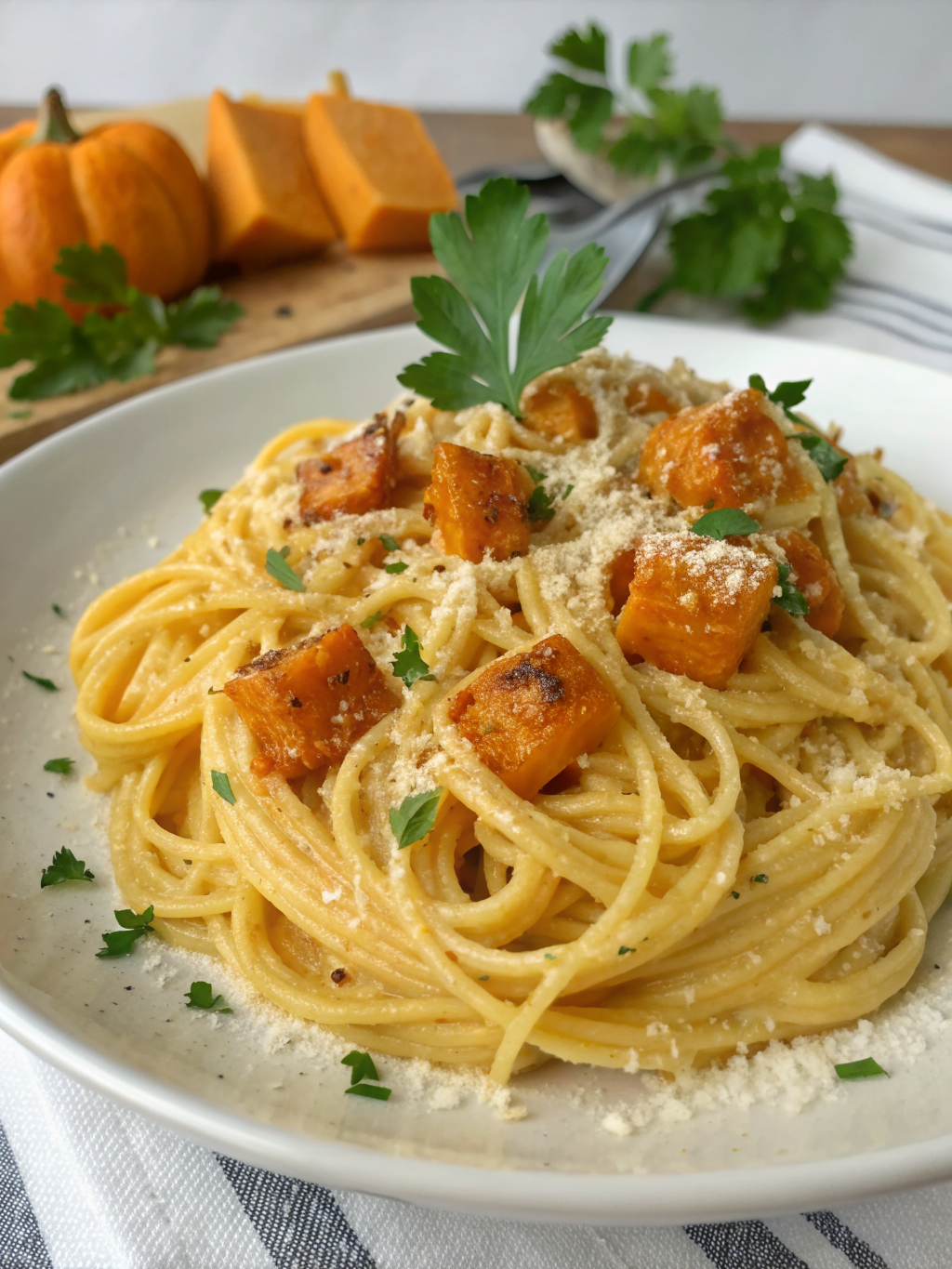
Can a 25-minute weeknight dinner outperform a 90-minute classic, especially when a 14-ounce can of pumpkin purée does most of the flavor work? If that sounds skeptical, consider this: pumpkin alfredo pasta turns the same pantry staples pasta, butter, garlic, and cheese into a rich, savory, slightly sweet fall meal without relying on a complicated sauce from scratch. The answer is yes, and the difference is not in longer cooking. It is in sequencing: build the creamy base first, temper the purée with salt and acid, then finish fresh off the heat. That simple flow makes pumpkin alfredo pasta feel like a special seasonal plate, not a dessert-heavy experiment.
Table of Contents
Table of Contents
Ingredients List
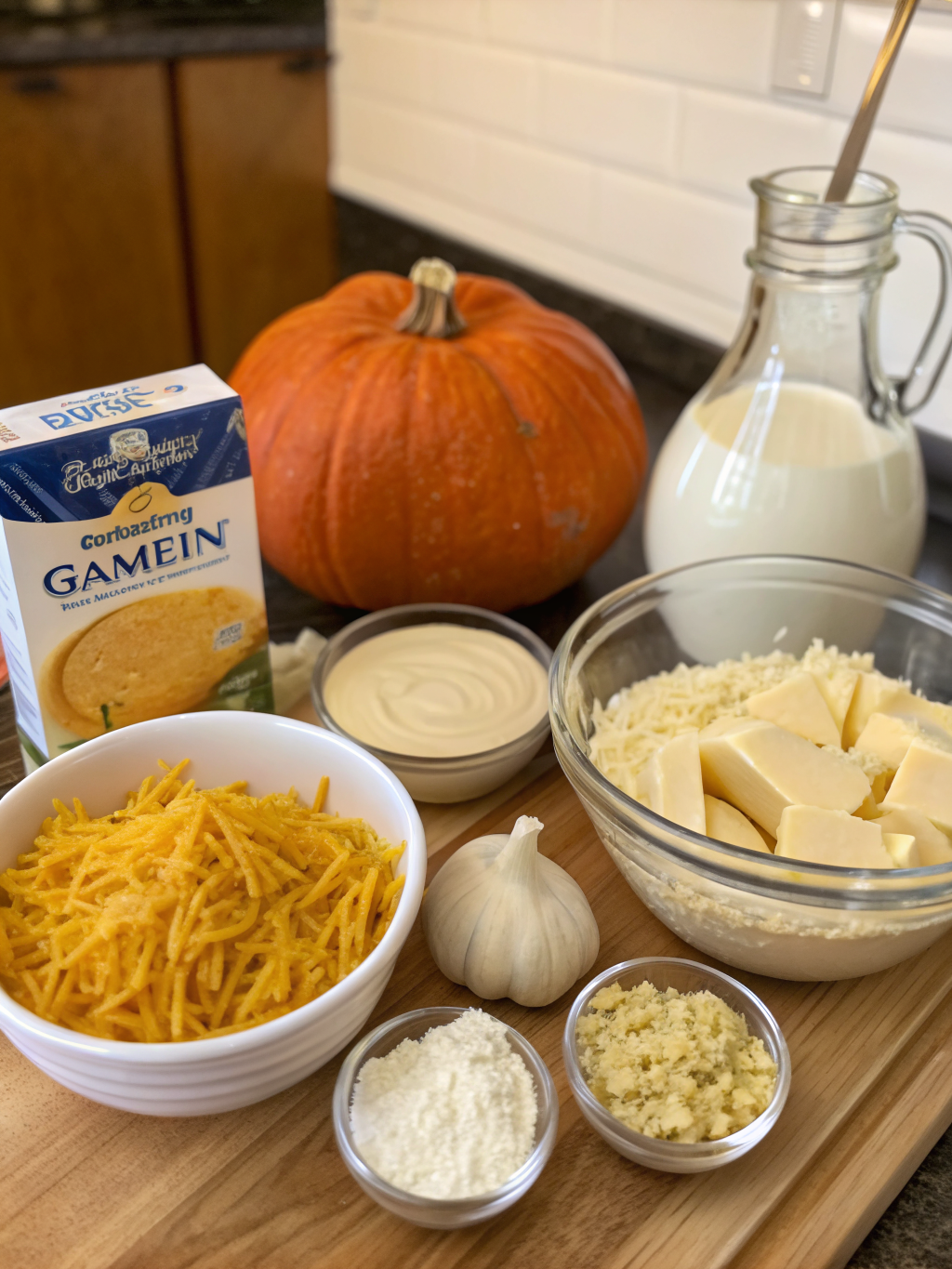
You need pantry-friendly ingredients that make this pumpkin alfredo pasta feel rich but still approachable. Use 10 ounces of short or long pasta—fettuccine is classic, but penne or rigatone hold sauce well. The sauce calls for 4 tablespoons of unsalted butter, 3 minced garlic cloves, 1 cup of whole milk, 1/2 cup finely grated Parmesan, one 14-ounce can of pumpkin purée, 1/4 teaspoon of freshly grated nutmeg, 2 tablespoons of fresh sage or thyme, 2 tablespoons of lemon juice, flaky salt, and black pepper. If you prefer lighter, swap in reduced-fat milk, 1/3 cup of Parmesan, or 2 tablespoons of extra-virgin olive oil plus 2 tablespoons of butter. For a vegetable boost, stir in roasted zucchini or spinach at the finish.
Timing
Head-to-table time is about 25 minutes: 5 minutes of prep, 15 minutes of pasta boiling and sauce building, and 5 minutes of finishing. That is 72% less than a 90-minute restaurant-style pasta, while the final plate still feels indulgent. The key is parallel work: start water, prep aromatics, and portion the pumpkin purée before the pot boils.
Step-by-Step Instructions
Step 1: Build a creamy garlic base
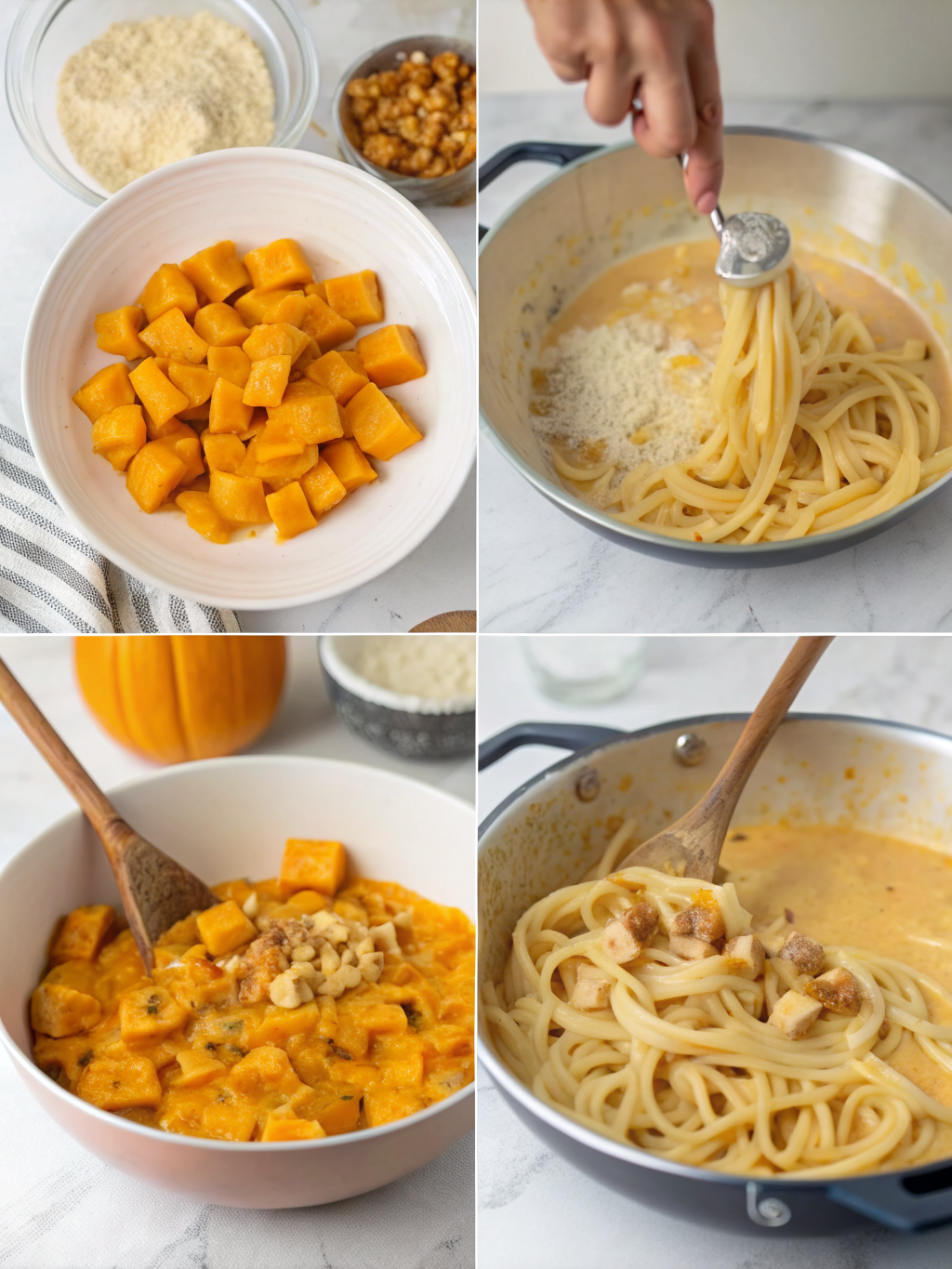
Place a large pot on high heat with 1 quart cold water, 1 tablespoon salt, and the pasta. While it warms, melt 4 tablespoons of butter in a wide skillet over medium. Add minced garlic and cook 60 seconds until fragrant, stirring so it turns pale gold, not brown. Add 1 cup of milk and season with a small pinch of salt. This step creates the gentle, savory foundation for pumpkin alfredo pasta.
Step 2: Temper the pumpkin purée
Whisk in the pumpkin purée and cook 2 minutes, then add nutmeg, lemon juice, and 1/2 cup Parmesan. Keep the sauce off direct high heat; the goal is smooth, glossy, and warm, not curdled. Add 2 tablespoons of reserved pasta water at a time until the sauce coats the back of a spoon. This is where pumpkin alfredo pasta becomes savory rather than sweet.
Step 3: Combine pasta and sauce
When pasta is 1 minute short of al dente, transfer it directly into the skillet with tongs. Toss for 1 minute, letting the starches and butter emulsify into a clinging coat. If the pan grows dry, add another spoonful of pasta water. Do not drain before adding: that starchy liquid is the most underrated tool in easy pumpkin alfredo pasta.
Step 4: Finish with bright, fresh flavors
Turn off the heat, then stir in fresh sage or thyme, extra Parmesan, and 1/2 teaspoon of lemon juice. Taste for salt before adding more; canned purée can already be subtly sweet, and black pepper plus a pinch of flaky salt gives the best balance. This 30-second finish keeps the herbs vivid and prevents the cheese from turning grainy.
Step 5: Plate for a seasonal look
Twirl each portion with two forks or use a tongs lift for a clean presentation. Spoon a little remaining sauce over the top, add a final shaving of Parmesan, cracked pepper, and a few sage leaves. Serve immediately in warm bowls. A quick 10-minute side of roasted broccoli or a green salad makes this pumpkin alfredo pasta feel like a full, balanced dinner.
Nutritional Information
Using 10 ounces of regular fettuccine, whole milk, full-fat butter, and Parmesan, one serving of this pumpkin alfredo pasta is about 380 calories. Typical macro estimates are 45 grams carbohydrate, 13 grams protein, and 16 grams fat, with roughly 7 grams saturated fat. The pumpkin purée contributes about 20 calories per serving and a small amount of fiber, while Parmesan increases protein and sodium. Data matters: if you use whole milk, saturated fat stays higher; if you swap in low-fat milk, the calorie count drops by about 30 calories per serving.
Healthier Alternatives for the Recipe
You can make this dish more nutritionally rounded without losing the creamy texture. Choose whole-wheat or legume-based pasta for added fiber and protein. Replace 1/2 cup of butter with 1/4 cup plus 3 tablespoons of olive oil, or use a 3-tablespoon butter and 1/3 cup Greek yogurt base. If you use 1% or unsweetened dairy-free milk, sodium and refined sugar stay lower. Add spinach, roasted cherry tomatoes, or mushrooms, and top with 1/4 cup Parmesan instead of 1/2 cup. These swaps keep the comfort of pumpkin alfredo pasta while improving satiety and reducing empty calories.
Serving Suggestions
Serve pumpkin alfredo pasta with something crisp, acidic, or savory to avoid a heavy plate. A simple arugula salad with lemon vinaigrette, roasted asparagus, or sautéed mushrooms creates contrast. For guests, plate in white bowls, drizzle olive oil, and add toasted pine nuts or crushed fennel seeds. Leftovers work as a topping for chicken cutlets or potatoes. For a more autumnal feel, pair it with roasted butternut squash cubes and fresh thyme.
Common Mistakes to Avoid
The most common mistakes are flavor-related, not technical. Do not use pumpkin pie filling; its added sugars and spices push this dish toward dessert. Salt the purée early enough so the sweetness feels rounded, but add most seasoning at the end. Avoid boiling the cheese: melt it into warm sauce and finish off heat to keep it silky. Do not overcook the pasta, because the starchy center is part of the sauce. Finally, taste before extra lemon juice—too much acid can make the pumpkin taste odd, while a small amount makes it lively.
Storing Tips for the Recipe
Store cooled pumpkin alfredo pasta in a shallow airtight container in the refrigerator for up to 3 days. Do not stack it; a thin layer preserves texture. Reheat gently over low heat with 1–2 tablespoons of milk or pasta water, stirring until glossy again. Avoid the microwave at high power unless you accept a slight separation. For meal prep, cook pasta al dente, keep sauce separate, and combine only when serving. The sauce itself will hold best for 2–3 days, but the pasta can turn gummy if held too long.
Conclusion
This pumpkin alfredo pasta works because it layers savory cream, subtle pumpkin depth, acid, and fresh herbs in a short, logical sequence. It is not a complicated recipe, but small decisions—reserving pasta water, finishing off heat, and balancing salt with lemon—create the difference between average and memorable. Try it on a busy fall weeknight, keep a side ready, and you will have a rich, seasonal dinner before the pasta water cools. Tell us in the comments which herbs you try, save this post for your next fall menu plan, or explore similar posts for sage butter sauces and autumn soups.
FAQs
Is pumpkin alfredo pasta healthy?
It can be, depending on choices. The purée adds modest calories and fiber, while dairy and cheese influence fat and sodium. Use whole-grain pasta, lower-fat milk, and vegetables to make it more satisfying.
Can I use frozen puree?
Yes, thaw and drain overnight, then use the same amount. Avoid ice-cold blocks in the sauce; bringing purée to room temperature helps keep the emulsion smooth.
What if my sauce separates?
Separation usually means overheated cheese. Lower the heat, whisk in 1 tablespoon of hot pasta water or milk, and stir quickly. The sauce should return to a glossy finish within 1 minute.
Can this recipe be made vegetarian or vegan?
The standard version is vegetarian. For vegan, use plant-based pasta, olive oil, unsweetened oat milk, cashew cream, nutritional yeast, smoked salt, lemon, and nutmeg. The flavor stays savory if you balance acid and herbs.
Does this taste like pumpkin pie?
No. It should taste savory, with warm pumpkin undertones. Use plain purée, not pie filling, and lean on salt, garlic, nutmeg, lemon, and herbs. If it tastes sweet, add lemon and fresh herbs, not sugar.